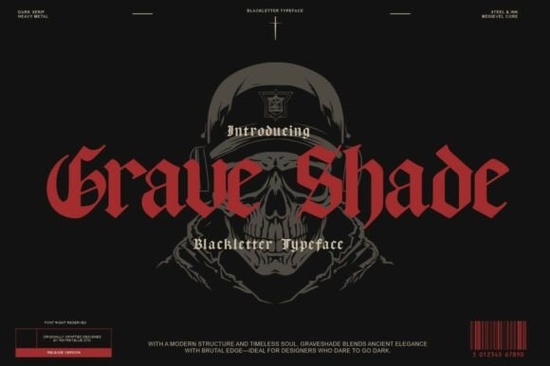
If you are working on a horror poster, a band logo, or any project that needs a strong, dark aesthetic, picking the right display typeface matters. The Grave Shade Font offers a bold blackletter style that balances medieval calligraphy with a clean, modern layout. Instead of relying on overly distressed textures, it uses razor-sharp serifs and consistent stroke weights so your text stays readable at different sizes. Many print-on-demand sellers and small shop owners look for this exact mix of historical weight and contemporary spacing when branding merchandise or digital assets.
How does this style handle heavy metal or gothic branding?
Gothic typography often struggles with legibility. When characters are too tangled, viewers guess what the text says. This blackletter design keeps letterforms open enough to scan quickly while maintaining a heavy presence. The thick downstrokes and sharp angles create visual tension that works well for album covers, event flyers, and tattoo flash sheets. If you pair it with high-contrast backgrounds like charcoal or muted parchment, the letters draw attention without needing extra drop shadows or glowing effects.
What projects actually benefit from these sharp serifs?
The strongest use cases sit at the intersection of vintage craftsmanship and modern retail. Small businesses selling occult jewelry or artisan candles apply this typeface to labels, hang tags, and packaging inserts. Crafters use it for stenciled wood signs, iron-on transfers, and engraved patches. Because the strokes remain consistent, you do not lose detail when scaling down for business cards or up for large banners. The style adapts well to digital storefronts, where a cohesive typographic voice builds brand recognition across Etsy listings and social graphics.
How do you prepare these letters for commercial printing?
Print-on-demand production requires clean vector paths. Always convert your text to outlines before sending designs to manufacturers, especially with intricate gothic styles. Check the negative space between overlapping strokes, since tight kerning can cause ink to pool on screen-printed shirts or vinyl transfers. For digital files, export at 300 DPI with an sRGB color profile to keep dark tones accurate across monitors. A quick proof on your actual printer catches spacing issues before they become costly reprints.
Where can you find compatible gothic alternatives?
Building a versatile type library prevents creative bottlenecks. If you have explored similar display faces like the ducky black alternative, you already understand how spacing dictates professional results. Pairing this sharp blackletter with clean sans serifs creates balanced compositions for product mockups. Browsing the grave shade product page reveals extended glyph sets that support ligatures and alternate characters. These extras prevent awkward tracking when typing out long phrases.
What technical steps ensure clean exports every time?
If you want to study traditional calligraphy structures that influenced modern display faces, reviewing the Ducky Black Font reference examples helps you understand stroke direction and angle consistency. Knowing how scribes handled weight distribution makes it easier to adjust line height without breaking the aesthetic flow. For complex layouts, lock your guide grids before placing text elements so margins stay uniform across multiple pages.
Small shop owners often ask whether heavy blackletter works on dark fabric. The answer depends on your printing method. Direct-to-garment printers handle solid shapes well, but screen printing may require halftone adjustments to keep fine serifs from filling in. Always request a physical sample before committing to bulk orders.
Before finalizing your design file, run through a quick preparation list:
- Convert all text layers to paths to lock the typography in place.
- Zoom to 400 percent to inspect tight intersections and remove stray points.
- Test legibility by printing a draft and viewing it from three feet away.
- Pair the bold display type with a simple body font for descriptions.
- Save a flattened preview alongside the editable source file for sharing.
Once your layout passes these checks, you can export the artwork for web use or hand it off to your production team with confidence.
Learn More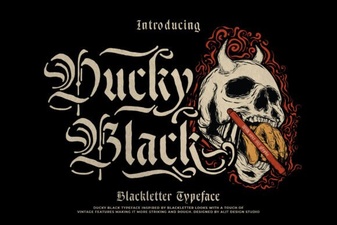 Ducky Black Font: Typography Guide & Design Uses
 Floral Frame Fonts for Beautiful Invitations and Cards
 Melintina Calligraphy Font | Elegant Design Ideas & Uses
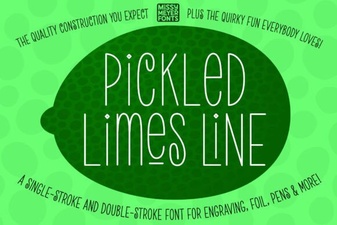 Crafting with Pickled Lime Serif Typography
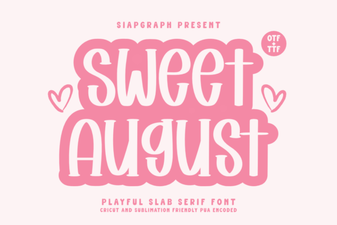 Sweet August Font: a Designer's Guide to Creative Typography
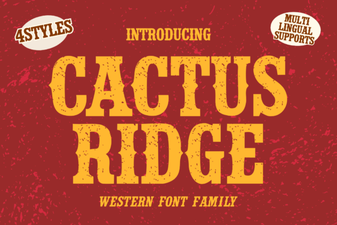 Cactus Ridge Font: Creative Design Ideas & Uses