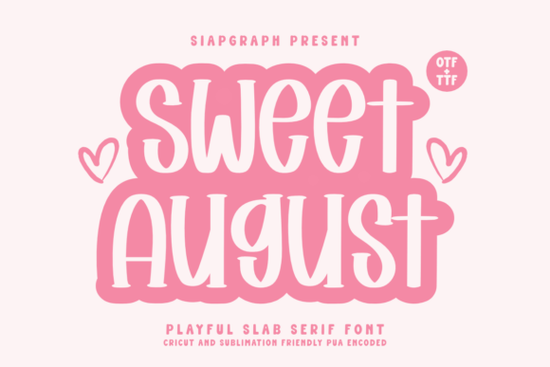
When you need a typeface that feels friendly without losing structure, a rounded slab-serif often does the trick. The Sweet August Font delivers exactly that balance, mixing soft curves with the sturdy weight that makes headings pop on everything from Etsy product listings to physical packaging. If you have ever struggled to find a display typeface that stays readable at small sizes while still carrying a cheerful mood, this option bridges that gap nicely.
What makes this style stand out for makers and small shops?
Playful typography can easily tip into illegible territory if the letters are too thin or the spacing is uneven. This typeface keeps its counters wide and its strokes consistent, which means it reads clearly on a laptop screen or a printed label. The inspiration comes from vintage candy-shop signage, so you get that nostalgic hand-lettered feel without sacrificing the grid alignment that modern design tools require. It works especially well when you want your branding to feel approachable and warm.
Many crafters and print-on-demand sellers lean toward heavy serifs for logos, then switch to overly decorative scripts for accents. Here, the rounded terminals soften the traditional slab shape, giving you one font that can carry both headline and accent roles. If you prefer to explore other weighty options, Cactus Ridge offers a slightly more rugged texture, while American Typewriter keeps things strictly vintage without the rounded edges.
Which projects benefit most from rounded display letters?
The short answer is anything that relies on visual warmth. You will notice immediate results when using this style on:
- Pastel-themed stationery – the gentle curves complement soft color palettes without competing with floral illustrations.
- Bakery and café branding – customers associate rounded letterforms with sweet flavors, making menus and packaging feel more inviting.
- Kids room prints and nursery decor – the friendly geometry avoids the harshness of traditional block fonts.
- Event invitations and greeting cards – it scales down cleanly for body copy while keeping enough character for short messages.
Because the design is optimized for digital cut machines and standard home printers, you do not need to convert the file before sending it to a vinyl cutter. That saves a step in your production workflow. If you usually work with collegiate or varsity aesthetics, the Outline Varsity typeface gives you that athletic look, while this particular design leans toward cozy and relaxed. You can also compare it with Highland Bundle if you need matching decorative swashes for wedding or formal projects.
How should you pair it without cluttering the layout?
A display typeface should carry the visual weight, so pair it with a neutral sans-serif that does not compete for attention. Keep the secondary font simple, increase line height slightly, and leave generous margins. A good rule of thumb is to use this rounded slab for titles, quotes, or single-line labels, then switch to a clean geometric or humanist sans-serif for paragraphs. You can study Sweet August pairings to see how professionals balance heavy headers with light body text.
When working with print-on-demand platforms, test your mockups at actual size before publishing. What looks bold on a monitor can turn muddy on cotton tees or ceramic mugs. Adjusting tracking slightly and using a single accent color for emphasis usually fixes contrast issues. For projects that require subtle variation, Montserrat Alternates provides clean geometric caps that sit quietly beside stronger display choices.
What licensing terms should you check before selling physical goods?
Always review the commercial license attached to the download. Most font marketplaces allow you to use the typeface on physical merchandise, but some require an extended license if your sales exceed a certain volume. Keep your receipt in a dedicated folder, export a flattened version of your design to share with clients, and avoid distributing the original font file itself. These simple steps protect both your shop and the creator.
Quick next-step checklist before you publish:
- Install the font on a test machine and open your design software.
- Type out your longest headline and check letter spacing at 100 percent zoom.
- Print one sample on the actual material you will sell, such as cardstock, fabric, or vinyl.
- Verify the license allows commercial merchandise and note any usage limits.
- Save a flattened PNG or PDF for customer previews to keep the font file secure.
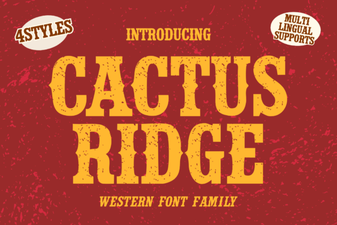 Cactus Ridge Font: Creative Design Ideas & Uses
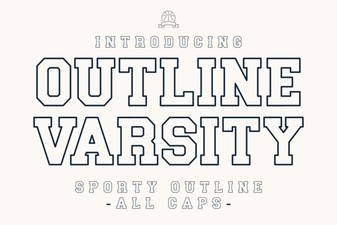 Outline Varsity Font for Creative Design Projects
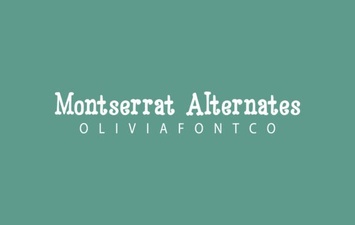 Discovering Fonts Similar to Montserrat
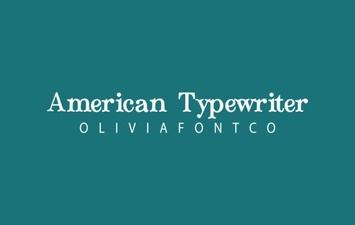 Unleashing Ideas with American Typewriter Font
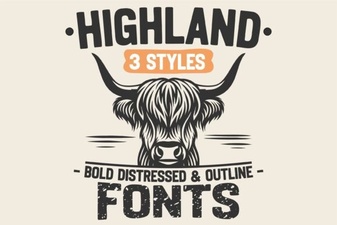 Elevate Your Designs with the Highland Bundle Font Collection
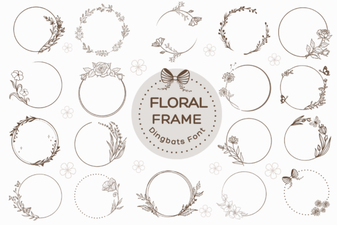 Floral Frame Fonts for Beautiful Invitations and Cards