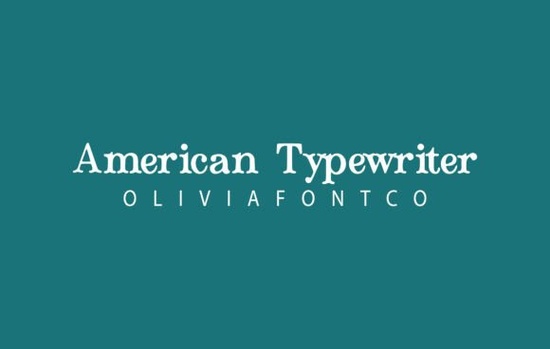
If you need a typeface that balances clean readability with a handcrafted feel, the American Typewriter Font delivers exactly that. It carries a subtle romantic quality while maintaining the structured proportions you expect from a classic machine-printed style. For independent designers, crafters, and print-on-demand sellers, this means you get a versatile text tool that works just as well for long-form quotes as it does for short, attention-grabbing headlines. You can drop it straight into Canva, Photoshop, or Silhouette Studio and start scaling it immediately without worrying about pixelation or rendering errors.
How does it perform in actual print and digital layouts?
Legibility is the main reason creators stick with this family. Unlike highly decorative scripts that blur together at smaller sizes, the letterspacing here remains open and consistent. When you print it on physical materials like wedding invitations or business cards, the strokes retain their crisp edges without bleeding into the paper texture. Digital screens also benefit from the balanced x-height, which keeps social media graphics readable even on mobile devices where screen real estate is limited.
If your current workflow requires a dependable secondary typeface, consider exploring Highland Bundle to round out your design library. Both options share that grounded, editorial aesthetic that prints reliably across different color palettes and substrate types.
Which projects get the most value from this typeface?
Because the weight distribution feels both modern and vintage-adjacent, you will find it adapting easily to multiple niches. Magazine layouts use it for pull quotes and bylines where readability matters more than decoration. Wedding planners appreciate how the subtle ink-like texture adds warmth to RSVP cards and table numbers without feeling overly ornate. Small businesses also pair it with minimalist logos to soften a corporate edge.
Print-on-demand sellers often apply it to apparel tags, poster backings, and home decor prints. The consistent baseline means you can stack lines of text or wrap them around shapes without fighting unpredictable kerning. When you need a slightly bolder statement piece, Sweet August works well alongside it for layered compositions. For outdoor-themed merchandise or vintage packaging mockups, Cactus Ridge provides a complementary earthy contrast that photographs naturally.
What should I pair it with for professional results?
Typography pairing relies on contrast. Since this typeface carries a slight handwritten rhythm without crossing into full calligraphy, it pairs cleanly with geometric sans serifs for body text. Keep the pairing simple: one font for headlines, one for paragraphs, and maybe a lightweight script for signatures only. Avoid using three or more heavy typefaces on a single layout, as it dilutes the visual hierarchy and confuses readers who scan quickly.
When experimenting with color backgrounds, remember that lighter shades of charcoal or navy ink improve contrast over pure white. Test your files in actual print size before ordering bulk runs. If you want to see how other creators structure their font stacks, reviewing dedicated resources on typography fundamentals can clarify spacing and alignment standards before you finalize your artwork.
For sporty or athletic merchandise designs, Outline Varsity offers a structured block alternative that balances out the softer typewriter strokes. You can use it sparingly on sleeve details or back prints to maintain focus on your main message.
How do I license and install it for commercial work?
Creative Fabrica provides straightforward licensing that covers personal projects and commercial sales. Once you download the package, you will receive standard OpenType and TrueType files compatible with Windows, macOS, and most cutting machines. Extract the folder, double-click the otf file, and select install. Restart your design software, and the family will appear in your font menu ready to use for client deliverables or marketplace uploads.
Keep a backup of your license receipt for marketplace compliance. Platforms like Etsy or Amazon Merch require proof that you hold commercial rights for every element in your listings. The included end-user agreement covers physical goods, digital templates, and client projects, so you can confidently list finished products without worrying about royalty tracking or usage restrictions.
What steps should I take before publishing my designs?
- Test at multiple sizes: Print a sample sheet at 12pt, 18pt, and 24pt to check legibility across different viewing distances.
- Adjust tracking slightly: Add 10 to 20 units of letter spacing for all-caps headers to prevent visual crowding.
- Check contrast ratios: Ensure your text color meets accessibility guidelines if the graphic will be viewed online or shared digitally.
- Outline before sending: Convert text to paths or curves before sharing print-ready PDFs to avoid missing font errors at the press.
- Save a flattened version: Keep a standard JPG or PNG export for quick previews on social channels and portfolio updates.
Before you start your next batch, pull the file into a blank document and set up a quick layout grid. Align your margins, place a sample headline, and measure the breathing room around the text block. Once you verify the spacing matches your mockup dimensions, export a low-resolution preview and ask a peer or client for quick feedback. That small review step usually catches alignment shifts that software masks at normal zoom levels, saving you time on revision rounds.
Explore Design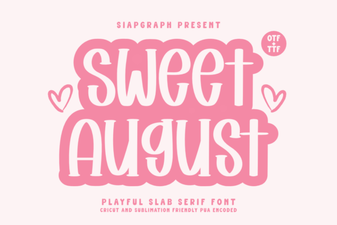 Sweet August Font: a Designer's Guide to Creative Typography
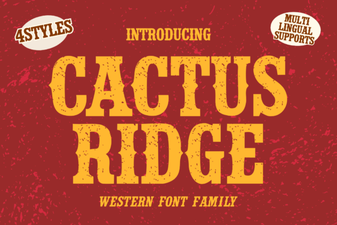 Cactus Ridge Font: Creative Design Ideas & Uses
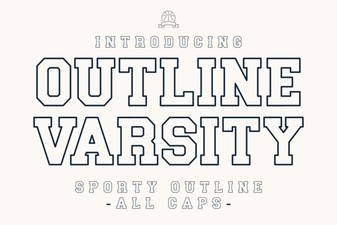 Outline Varsity Font for Creative Design Projects
 Discovering Fonts Similar to Montserrat
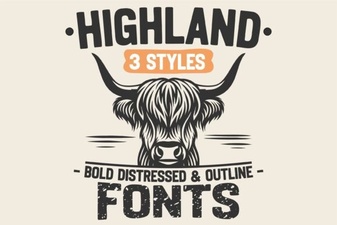 Elevate Your Designs with the Highland Bundle Font Collection
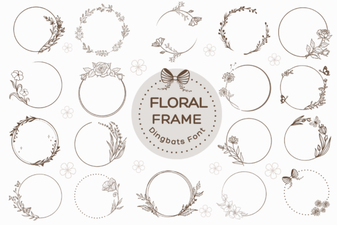 Floral Frame Fonts for Beautiful Invitations and Cards