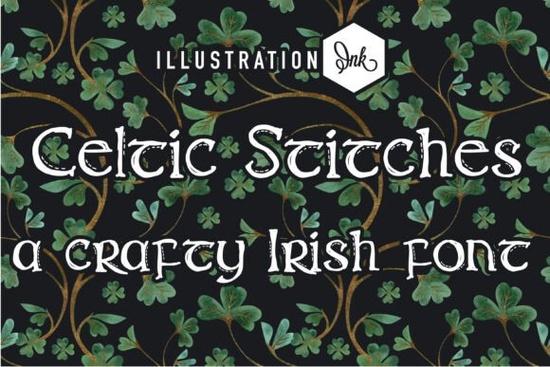
If you are looking for a display typeface that blends traditional knotwork with a tactile, handmade texture, the Celtic Stitches Font offers exactly that. Unlike polished digital lettering, this hand-crafted option features visible stitch-like seams and organic curves that mimic actual threadwork. Designers, crafters, and small business owners often reach for this style when they need a warm, authentic feel for invitations, product packaging, or handmade labels. It sits comfortably between classic Gaelic calligraphy and modern DIY typography.
How does stitched lettering work in practical design projects?
The key to using any decorative typeface effectively lies in matching the style to your project scale. Hand-drawn fonts with stitch details naturally draw the eye, so they perform best in headings, short titles, or accent text rather than body paragraphs. When you apply this typography to a business card or a product label, the faux-stitch effect creates a subtle three-dimensional illusion that makes flat prints feel more tactile. Many print-on-demand sellers use it to highlight brand names or seasonal collections, especially when paired with kraft paper textures or linen backgrounds.
What types of creative work benefit from this style the most?
Crafters and event planners rely on this aesthetic for physical goods that need a personal touch. Greeting cards, wedding signage, and scrapbook layouts all respond well to the irregular edges and woven appearance of stitched lettering. If you run a small shop selling handmade jewelry, pottery, or candles, wrapping your product names in this style can instantly communicate craftsmanship. You can also pair it with clean sans-serif type for legibility while letting the Celtic details serve as a visual anchor.
- Event stationery fits the hand-crafted look perfectly, giving save-the-dates and menus a rustic charm.
- Merchandise labels gain instant warmth when used alongside simple line illustrations or botanical sketches.
- Digital graphics work best when the background includes subtle paper grain or woven textures to ground the lettering.
Which complementary typefaces should I keep in my design toolkit?
Pairing decorative scripts with simpler companions prevents visual clutter. If you want a playful contrast, exploring whimsical typography options can add a lighter touch to family-focused designs. For projects that require bolder visual weight without losing readability, bold lettering alternatives often pair well with stitched accents. Heritage-focused layouts might benefit from heritage-style typefaces that share similar historical roots, while romantic branding usually calls for elegant flowing scripts. You can browse through the full stitched Celtic typography collection to find matching weights and ornament sets.
How do I prepare the file for cutting machines and commercial printing?
Most vector-based design software can handle this typeface without losing detail, but you should verify the outline paths before exporting. Convert your text to curves if you plan to use it with laser cutters or vinyl printers, since stitch gaps might otherwise appear as stray anchor points. Always check commercial licensing before applying the design to physical products you intend to sell. A quick test print at your final size will reveal whether the spacing remains clear or blends into a solid shape.
For designers who want to explore similar hand-crafted options, searching for Celtic Stitches Font on the main marketplace gives access to updated variants and companion dingbats that match the same woven theme.
What should I check before publishing a design with stitched typography?
Reviewing your layout with a critical eye saves time and reduces revision requests from clients. Keep the hierarchy straightforward, use high-contrast backgrounds, and verify that every character remains legible at smaller sizes. Starting with a clear testing routine helps you maintain consistent quality across every order. When you combine careful preparation with authentic handmade typography, your designs stand out without relying on unnecessary visual noise. Keep your files organized, track which color pairings work best, and adjust tracking as needed to preserve the crafty charm your audience expects.
Before you finalize any project, run through this quick checklist:
- Verify the font license allows your specific commercial use case.
- Test the design at actual print size to check stitch clarity.
- Outline or rasterize the text if sending to third-party printers.
- Pair with a simple sans-serif body type for balanced readability.
- Export as high-resolution PNG or vector PDF depending on your workflow.
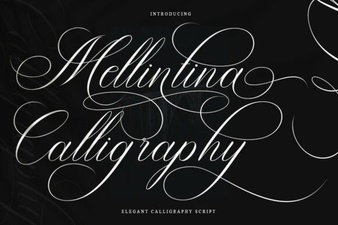 Melintina Calligraphy Font | Elegant Design Ideas & Uses
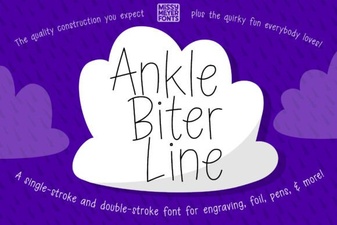 Ankle Biter Font Projects & Download Instructions
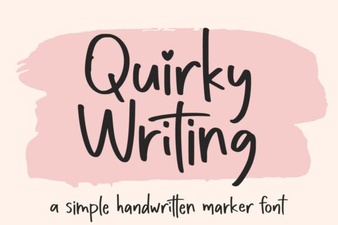 Fun & Creative Fonts for Your Writing Projects
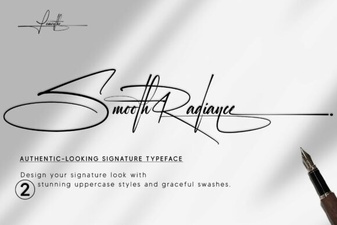 Smooth Radiance Font: Elegant Web & Print Design
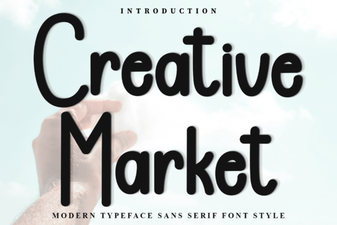 Browse Creative Fonts for Unique Design Projects
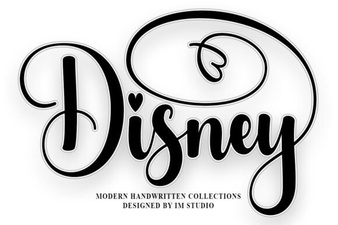 Designing with the Disney Font Magic