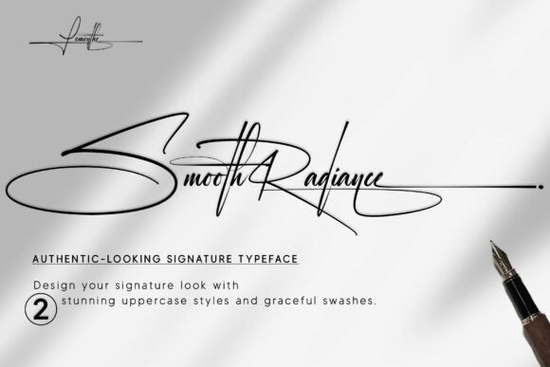
Finding the right handwritten typography often comes down to balancing visual elegance with everyday readability. Smooth Radiance Font delivers that balance by offering a natural, flowing signature style that adapts cleanly across different creative formats. Whether you are building a custom brand mark, drafting formal wedding stationery, or preparing printed labels for a small shop, this script typeface provides a polished yet handcrafted look. The letterforms connect smoothly, which means you spend less time fixing awkward overlaps and more time refining your final layout.
Why do handmade scripts work better for branding?
Shoppers and clients respond to visual warmth, and organic scripts naturally feel personal and intentional. Unlike rigid geometric styles, a well-crafted signature typeface carries subtle stroke variations that mimic real pen pressure. You can apply this style to product tags, thank-you cards, or boutique packaging to make physical items feel carefully made rather than mass-produced. Print-on-demand sellers especially benefit from this approach, because the refined curves maintain their clarity even when scaled down for merchandise mockups.
How do alternate characters change your layout options?
Flexibility matters when you need a custom appearance without manually redrawing paths. This typeface includes two uppercase variations alongside a full library of stylistic alternates. That means you can swap individual letters to avoid crowded connections, adjust tracking for tighter spacing, or build a completely unique signature block. If a specific word feels too heavy, replacing a default glyph with an open alternate instantly improves legibility. You can also layer the standard capitals with the alternate set to create a professional monogram that stands out on business headers and social media banners.
What makes this style suitable for weddings and small shops?
Invitation suites, artisan logos, and handmade packaging all share the same requirement: they must look refined but approachable. This script maintains a steady rhythm across both short and long words, which keeps formal stationery from feeling overly stiff. Small businesses can rely on it for photography watermarks, header text, or apparel graphics. Because the strokes flow organically, you can scale it for large signage or delicate envelope liners without losing the handcrafted texture. Pair it with a clean sans serif for body text, and your composition stays balanced while keeping the focal point clear.
Which complementary typefaces should you explore next?
Comparing different script families helps you build stronger visual systems for your projects. A traditional calligraphy style like a structured pen-based alternative adds classic flourishes that work well alongside modern minimalist branding. For sellers who want a polished, market-tested aesthetic, reviewing commercial-grade script options shows how versatile type performs across both print and digital platforms. Casual designers often prefer the relaxed strokes found in a more playful handwritten set when making social templates, while textile makers might lean into the woven texture of a needlework-inspired script for craft labels and packaging details.
How do you test a new script before client approval?
Typography works best when you understand how it behaves in your actual workflow. After installing the font file, type your full project phrase to check how the ligatures connect in your preferred software. Adjust the tracking slightly if the default spacing feels too tight at larger sizes. Always export a test file in both RGB and CMYK color profiles, since screen brightness and print ink can change how the thin strokes appear. You can also review official licensing guidelines at Smooth Radiance to confirm commercial usage rights before finalizing any paid deliverables.
Practical checklist before publishing your design:
- Install the file, then type your complete brand name to verify capital letter flow.
- Test three different uppercase variations to see which matches your project mood.
- Apply one stylistic alternate per word to prevent repetitive connections.
- Export a low-resolution preview to confirm how the script reads on mobile screens.
- Save your custom glyph combinations in a saved text style so you can reuse them later.
- Run a quick print test on the final paper stock to ensure thin strokes do not disappear.
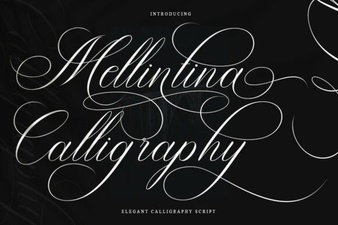 Melintina Calligraphy Font | Elegant Design Ideas & Uses
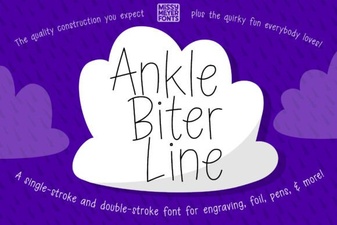 Ankle Biter Font Projects & Download Instructions
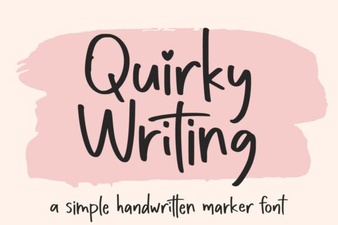 Fun & Creative Fonts for Your Writing Projects
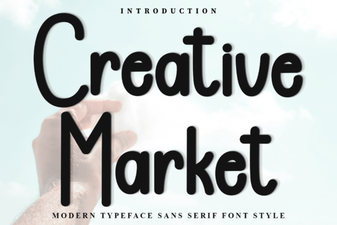 Browse Creative Fonts for Unique Design Projects
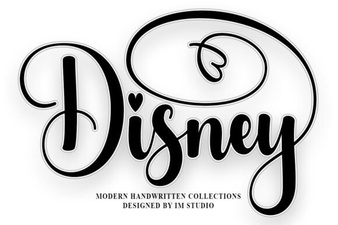 Designing with the Disney Font Magic
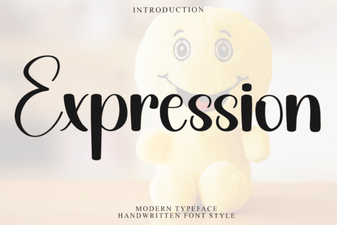 Creative Typography: Unleashing Expression Font Design