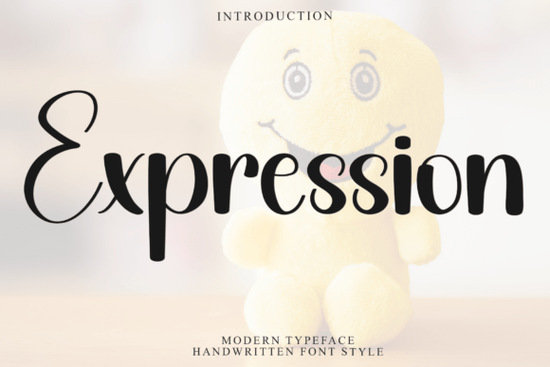
When you need a typeface that feels personal without looking overly polished, Expression Font offers exactly that balance. Its soft, hand-drawn strokes bring warmth to digital layouts, while the unique character shapes keep your work from blending into the crowd. Whether you are cutting vinyl for a custom gift, laying out a local bakery menu, or designing a storefront logo, this script-style lettering gives your projects a grounded, artisanal feel that resonates with customers.
What types of creative projects work best with this style?
Because the letters carry a gentle, organic weight, they perform well across both physical and digital mediums. Crafters appreciate how the open spacing stays legible even when printed on smaller labels or stickers. Print-on-demand sellers often pair it with simple line art or floral elements for apparel that reads clearly from a distance. If you usually lean toward marketplace alternatives, you will notice how the consistent baseline reduces the need for heavy kerning adjustments. The natural rhythm also translates smoothly to embroidery digitizing, where overly tight curves can cause thread bunching on fabric.
How does it hold up for small business branding?
Local shops and independent makers need logos that look approachable on everything from paper receipts to social media banners. The distinctive strokes in this typeface create visual interest without relying on heavy shadows or complex gradients. When you drop it into a brand guide, try keeping the background light and using a solid, high-contrast color for the text. This approach keeps the soft, unique touch from getting lost in busy layouts. Many independent coffee roasters and boutique florists use similar lettering to signal care and craftsmanship at a glance.
Can it mix with other typography without clashing?
Yes, but the pairing depends entirely on contrast. Pair the flowing curves with a clean, geometric sans serif for modern packaging. If your layout calls for something warmer, a neutral humanist sans works well for body text while the script headline draws the eye. Designers successfully combine it with casual handwritten options for layered quotes, as long as one style stays dominant. When you want a more structured look, exploring vintage record cover typefaces shows how mixing weights creates clear hierarchy without adding visual clutter.
What about software compatibility and file setup?
The typeface installs as a standard OpenType file, which means it runs smoothly across Windows, macOS, and open-source design platforms. You can drop it directly into Canva, Affinity Designer, Inkscape, or Adobe apps without conversion issues. Because the character set includes full uppercase and lowercase letters, plus standard punctuation and numerals, you rarely need supplemental files for everyday layouts. If you are preparing files for commercial printing, convert your text to outlines before exporting. This step guarantees the printer’s system will not substitute a different font during processing.
How do you keep legibility when scaling down?
Soft brush-style strokes look beautiful at larger sizes, but they can blur when reduced too far. Test your design at the exact print size before sending it to production. If the details start to merge, increase the tracking slightly or simplify the background. You might also consider swapping to lightweight line styles for very small tags or footnotes. Keeping a clear reading path ensures your audience catches the message before noticing the artistic details. This habit saves both time and wasted print runs.
Where can you learn more about this type of typography?
Understanding the history of brush lettering helps you apply it with better spacing and hierarchy. You can explore flowing calligraphic scripts to see how traditional pen pressure translates into digital curves. For technical tips on pairing, color contrast, and print preparation, the Expression collection includes detailed guidelines that match common workflow standards.
Quick setup checklist before your next project:
- Install the file and restart your design software to clear the font cache.
- Type your headline at full size, then scale down to your target output dimension to check spacing.
- Pair with a single, highly readable sans serif for descriptions or pricing.
- Keep background elements minimal to let the distinctive strokes stand on their own.
- Convert text to outlines and save a working version before final export.
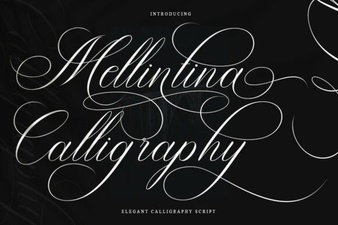 Melintina Calligraphy Font | Elegant Design Ideas & Uses
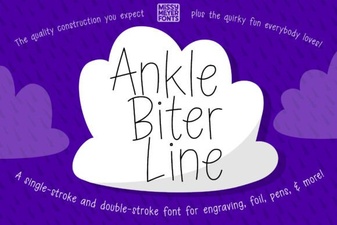 Ankle Biter Font Projects & Download Instructions
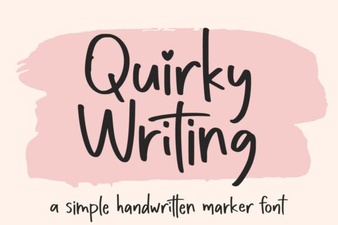 Fun & Creative Fonts for Your Writing Projects
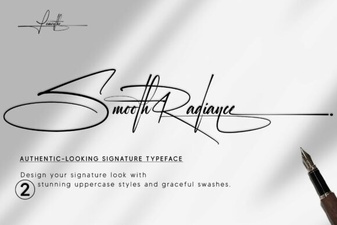 Smooth Radiance Font: Elegant Web & Print Design
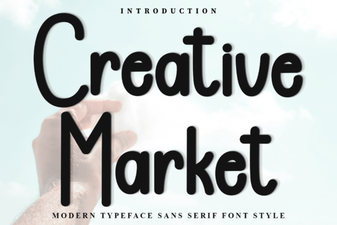 Browse Creative Fonts for Unique Design Projects
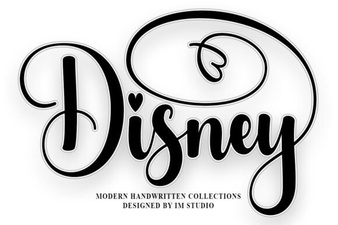 Designing with the Disney Font Magic