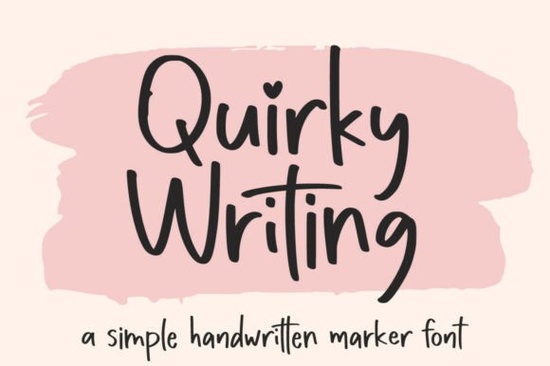
When you need a typeface that balances playful energy with clean readability, Quirky Writing Font works well. Designed with bold, hand-drawn strokes that still feel refined, it bridges casual scripting and professional typography. Whether you are drafting a brand identity, preparing social media graphics, or cutting vinyl for a weekend craft project, this style saves time by removing the need to switch between heavy or overly decorative options.
What makes this typeface work for everyday creative projects?
The characters follow natural handwriting rhythms, so your layouts stay clean even at smaller sizes. Scripts often lose clarity when scaled down, but the neat baseline keeps text readable. You can pair it with a clean sans serif like Quicksand to create balanced posters or product packaging that draws attention without overwhelming the viewer. The consistent stroke weight makes it reliable for print-on-demand sellers who need designs to translate well from screen to merchandise.
If you are testing visual directions, exploring alternatives like Expression helps you understand how varying slants affect layout hierarchy. For textile applications, combining this script with something textured like Celtic Stitches gives layered options without sacrificing readability. Shop owners use these pairings for signage, custom stickers, and newsletter headers.
How does PUA encoding simplify your workflow?
Private Use Area coding lets you access decorative glyphs, swashes, and alternates directly in standard design tools. You won’t need specialized editors to pull extra characters. Open your software, click the glyph panel, and drag variations into your canvas. This approach is especially useful for hobbyists who want custom flourishes without managing complex file structures. Because the extras live inside the main file, your projects stay portable. You can share mockups with clients or upload files to print shops without missing elements.
Can I use this style for commercial products and branding?
Licensing depends on the creator, but scripts here are usually built for flexible commercial use. The clean geometry works safely for logos, business cards, and digital ads. Print platforms accept high-resolution files, and the steady weight ensures text stays sharp after resizing. Testing layouts in grayscale first helps verify contrast before adding color. For long blog headers, keeping line spacing slightly loose prevents curved strokes from colliding. Comparing the style to Melintina Calligraphy shows how formal designs rely on sharp contrast while playful versions prioritize friendly shapes. Review the official Quirky Writing Font listing for exact usage terms.
What should I check before exporting my final design?
A quick review prevents costly printing errors. Follow these steps before sending files to production:
- Convert text to outlines to lock shapes and avoid missing typeface alerts.
- Zoom to 100% to spot awkward kerning or overlapping curves.
- Print a test page on standard paper to check ink density and alignment.
- Save an editable original with layers intact for future tweaks.
- Verify commercial limits to confirm permissions for bulk production.
Next step: Open your current file, swap the default heading with the script, and adjust tracking until the curves breathe properly. Save a plain version and a swash-heavy version, then preview both side by side to pick the clearest layout.
Learn More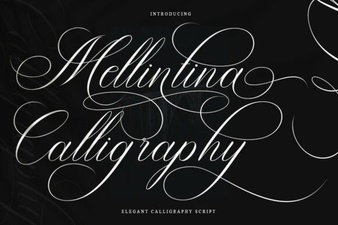 Melintina Calligraphy Font | Elegant Design Ideas & Uses
 Ankle Biter Font Projects & Download Instructions
 Smooth Radiance Font: Elegant Web & Print Design
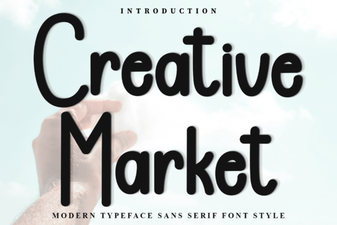 Browse Creative Fonts for Unique Design Projects
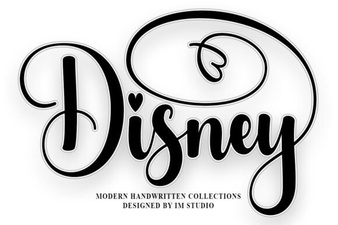 Designing with the Disney Font Magic
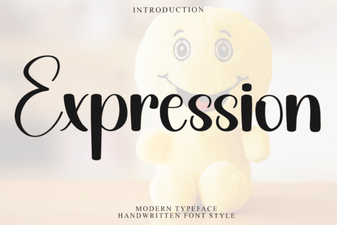 Creative Typography: Unleashing Expression Font Design