
What kinds of projects actually need this kind of typography?
Script typefaces often get a reputation for looking beautiful but failing at readability, but this design avoids that trap by keeping its letter connections straightforward. You can use it confidently for restaurant menus, beauty brand logos, and magazine editorial spreads. Crafters frequently apply it to custom labels, mason jar tags, and printable wall art that sells on maker platforms. Small business owners also rely on it for packaging ribbons, social media banners, and thank-you cards. If you have ever struggled with overly decorative scripts that blur together on smaller screens, you will notice how this font maintains clear spacing and distinct shapes. For additional layout ideas, you might explore how other creators pair elegant handwritten styles with minimalist backgrounds to keep the focus on the typography itself.
Why do the curves and connections feel so balanced on both paper and digital screens?
The design team paid close attention to how ink naturally flows across a page and translated that movement into digital vector paths. Each letter carries a slight tilt that mimics real pen pressure, yet the stroke weight stays consistent enough for commercial printing. You get alternate characters for common pairings, which prevents awkward spacing when typing longer sentences. This level of control matters when you are formatting book covers, novel chapter titles, or promotional flyers. Print-on-demand sellers especially appreciate how the font scales without losing sharp edges, making it safe for large posters or small product tags alike. If you enjoy experimenting with playful alternatives, checking out a friendly brush alternative can help you understand how different curve structures change the mood of a design.
How should you pair this typeface for the best visual hierarchy?
Because the letterforms already carry a lot of personality, they work best when supported by clean, understated companions. Try setting your main headings in this script font while using a simple sans serif or slab serif for body copy and pricing details. This contrast prevents your layout from feeling crowded and guides the reader’s eye naturally. Keep line spacing generous, especially on greeting cards and event programs, so the loops have room to breathe. Many designers also find success using structured geometric companions to create a balanced grid for marketing materials. When your layout feels complete, step back and view it on both mobile and print proof. The Melintina Calligraphy files are usually delivered in OTF and TTF formats, so you can install them in your preferred software and test tracking values before exporting.
What should you check before sending designs to print?
Preparing files correctly saves time and prevents costly reprints. Always verify your color mode matches the printing method, outline your text before handing off assets, and embed the font if your layout program allows it. You can also explore how other type styles handle specific industries by reviewing themed typography collections or comparing rounded sans options for secondary text blocks.
Quick setup checklist before you finalize your project:
- Install the font files in your operating system before opening your design software.
- Test line height and tracking on a twelve-point and sixteen-point sample to verify readability.
- Use alternate glyphs for repeated letter combinations to avoid visual clutter in longer text blocks.
- Convert text to vector outlines before exporting PDFs for professional printers.
- Export web assets as PNG or SVG to preserve crisp edges on high-resolution displays.
- Review your color contrast if placing the font on textured backgrounds or patterned packaging.
Once your layout passes these checks, you are ready to publish or print. Keep a separate copy of your editable files with live text intact so you can adjust wording for future campaigns or seasonal updates.
Try It Free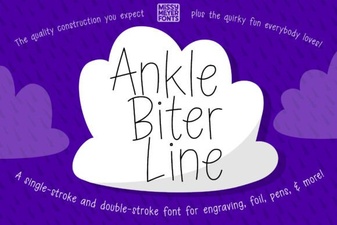 Ankle Biter Font Projects & Download Instructions
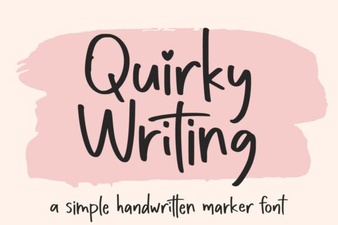 Fun & Creative Fonts for Your Writing Projects
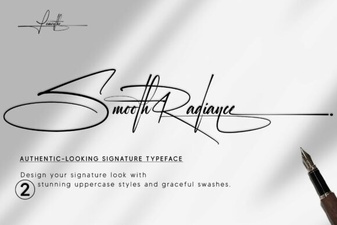 Smooth Radiance Font: Elegant Web & Print Design
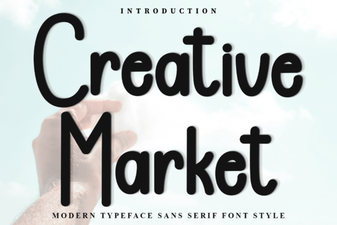 Browse Creative Fonts for Unique Design Projects
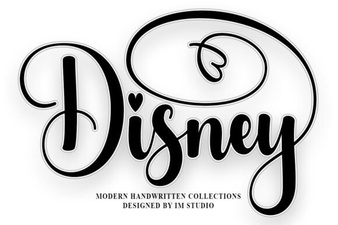 Designing with the Disney Font Magic
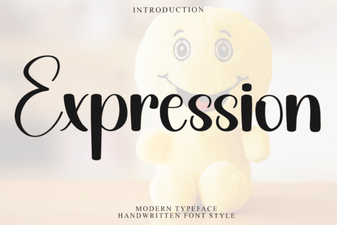 Creative Typography: Unleashing Expression Font Design