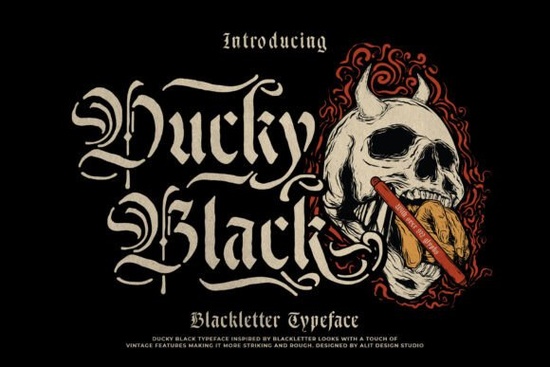
When you need a typeface that balances historic character with industrial practicality, Ducky Black Font offers exactly that blend. This stencil-based blackletter style bridges traditional gothic calligraphy and modern graphic needs. Instead of relying on heavy, solid strokes that often bleed during printing, the intentional gaps in the letters keep edges crisp on both digital screens and physical materials. Small business owners and crafters frequently choose this style when they want vintage appeal without sacrificing readability. If you are browsing through our collection of gothic display options, you will notice how carefully the negative space is handled to maintain legibility across different sizes.
What makes this stencil blackletter typeface different from standard fonts?
Traditional blackletter scripts can feel overwhelming when printed on textured paper or cut on vinyl. The Ducky Black design solves that problem by incorporating strategic cutouts throughout each character. These breaks allow ink to dry evenly, prevent vinyl from tearing during weeding, and create a distinct street-meets-medieval aesthetic. The sharp terminals and dramatic stroke contrast give your layouts a grounded, authoritative look that plain sans-serif fonts simply cannot match.
Designers working with layered textures will find the open counters naturally interact with grain overlays. The heavy weight ensures the letters stay visible even when placed over busy patterns. Because the design draws from centuries-old calligraphic structures, it carries immediate heritage while feeling fresh enough for modern branding.
Which creative projects work best with gothic stencil typography?
Print-on-demand sellers and small boutique owners often use this style to build cohesive visual identities. It performs exceptionally well on apparel where bold graphics need to stand out against fabric. The stencil breaks reduce ink costs on screen-printing runs and keep the design breathable on t-shirts and hoodies. Beyond clothing, the typeface fits naturally into packaging labels, craft beer cans, skate brands, and event posters that aim for a rugged, time-tested appearance.
Tattoo artists also favor this lettering style because the negative space translates clearly to skin. If you need similar vintage displays for a cohesive brand suite, you might look at alternative gothic lettering options that share the same historical roots. Pairing different blackletter weights in a single layout can create hierarchy while keeping the mood consistent.
Makers using cutting machines will appreciate how the isolated bridges simplify the workflow. You do not have to manually add connecting pieces to keep the design intact. Simply adjust your software thickness settings, and the cut paths follow the original vector cleanly.
How do I use stencil fonts without losing print quality?
The most common mistake with stencil typefaces is using them at sizes too small for the cutouts to remain distinct. Keep body text or fine details in a highly readable sans-serif or serif font, and reserve this gothic display style for headlines, logos, and accent words. Always convert the type to outlines or shapes before sending files to a print shop. This prevents missing font issues and ensures the exact spacing and cutouts remain untouched by the production software.
When preparing artwork for merchandise, test a small sample first. Stencil gaps can sometimes trap excess ink on thick paper, which may slightly blur the intended negative space. For digital projects like banners, add a subtle shadow behind the text to help it stand out against light backgrounds without overpowering the vintage texture.
Where can I download the official files and check licensing terms?
Always download commercial or personal files directly from verified marketplaces to receive the complete font family and proper licensing documentation. You can view the full preview and access the download package through the official Ducky Black Font listing. Keep your license file saved with your assets so you can quickly verify usage rights when collaborating with clients.
Quick preparation checklist before sending to print
- Verify the text size is large enough for stencil cutouts to stay visible.
- Convert all typography to vector shapes to lock in spacing and bridges.
- Run a single proof print on your actual material to check ink spread.
- Adjust opacity or add subtle contrast if the background texture competes with the letterforms.
- Save your commercial license document in the same project folder.
Start by applying the typeface to one primary element, like a main logo or shirt graphic, and build the rest of your layout around it. This keeps your design focused and ensures the historic character shines through without overwhelming the viewer.
Try It Free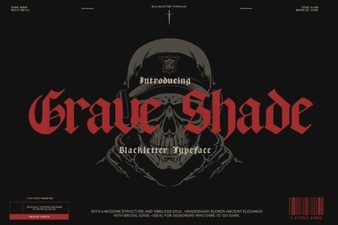 Grave Shade Font: Tips for Gothic Typography
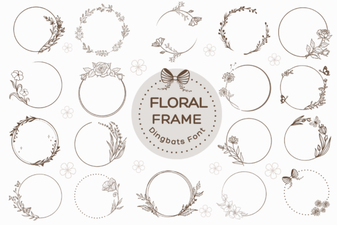 Floral Frame Fonts for Beautiful Invitations and Cards
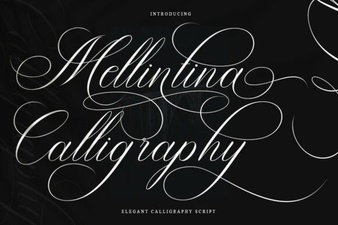 Melintina Calligraphy Font | Elegant Design Ideas & Uses
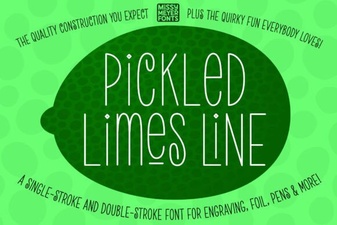 Crafting with Pickled Lime Serif Typography
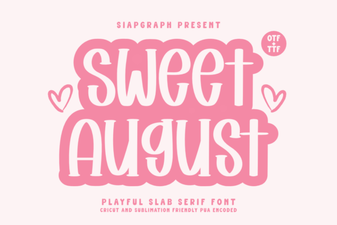 Sweet August Font: a Designer's Guide to Creative Typography
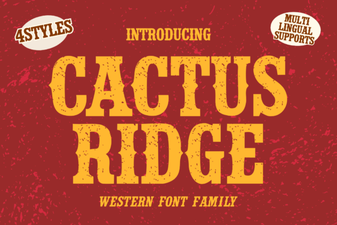 Cactus Ridge Font: Creative Design Ideas & Uses