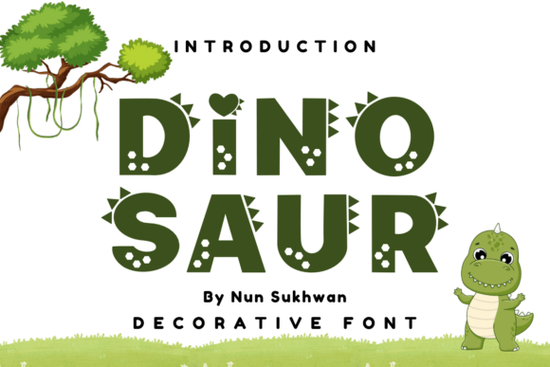
When you need a playful yet readable typeface for youth-oriented projects, picking the right lettering can save hours of trial and error. The Dinosaur Font Font offers exactly that balance by combining bold shapes with subtle prehistoric textures inside each character. Designers, crafters, and print-on-demand sellers often look for display typefaces that catch attention without sacrificing legibility, and this decorative font delivers through its spiky accents and dino-scale detailing. Whether you are drafting classroom materials, birthday invitations, or merchandise for a family-friendly shop, having a versatile theme-based alphabet simplifies your workflow and keeps your branding consistent.
What makes a prehistoric typeface work for kids designs?
Children respond quickly to friendly visual cues. The rough edges and scale patterns create a tactile impression that mimics dinosaur skin, signaling a fun vibe without relying on cartoonish clipart. Unlike overly complex display letters that blur when shrunk, this design keeps open counters and clear spacing. That means your titles stay readable on everything from t-shirt tags to large event banners. Teachers also appreciate how the playful shapes work well for worksheets, name tags, and classroom reward charts.
When building a cohesive look, you might want to explore other decorative fonts that share a similar energetic tone. For instance, if you are layering multiple styles in a single layout, checking out additional theme-based typefaces can help you maintain visual harmony across different pages.
How can sellers and crafters use this typeface effectively?
Small business owners and POD creators need lettering that scales well across different products. The Dinosaur family handles resizing gracefully because the stroke weight stays consistent on mugs, stickers, or digital invites. Use it as a standalone headline or pair it with a clean sans-serif for body copy. Themed typefaces typically perform strongly during summer camps, birthdays, and back-to-school seasons.
For crafters who cut vinyl or work with sublimation, remember to adjust the tracking slightly if your letters feel too tight at smaller sizes. Exporting your designs as high-resolution PNG or SVG files ensures the spiky details stay crisp when transferred to fabric or paper. If you frequently work with party printables, you might also enjoy browsing stylish display options that complement bold headlines for evening or teen-focused events.
Which file formats and licensing details should you check first?
Before sending any file to a printer or uploading it to a marketplace, verify the included formats. Most modern decorative typefaces come in both OTF and TTF, which work across Adobe, Canva, Cricut Design Space, and Silhouette Studio. Check the license terms to confirm whether your intended use covers digital products, physical goods, or client work. Proper licensing protects your business and prevents takedown requests later on.
If you want to compare other commercial-friendly lettering, look for designers who provide clear documentation on extended usage and team installations. You can also reference the official Dinosaur Font page to review installation steps and format updates.
What color palettes and font pairings bring out the best results?
This typeface works best against earthy or vibrant backgrounds. Pair it with a light cream or soft sage to let the texture pop. For contrast, combine it with a geometric sans-serif or simple slab serif for descriptions. Avoid stacking multiple heavy display fonts, since competing shapes reduce readability and clutter your layout.
When working with digital templates, keep your line spacing slightly larger than default. The decorative scales inside the letters need breathing room to register correctly, especially on mobile screens. Testing your layout on a grayscale preview helps you spot alignment issues before final export. Always run a quick print proof to ensure the spiky embellishments do not bleed into adjacent text or crop marks.
Quick checklist before finalizing your project
- Verify commercial license coverage for print-on-demand or digital sales
- Export at 300 DPI or higher for physical products
- Adjust tracking and leading to prevent texture overlap at small sizes
- Test readability on both screen and printed proof before publishing
- Save original editable files with font paths converted to outlines if sending to third-party printers
Start by applying the typeface to a single headline, print a test copy, and adjust spacing until the scales and spiky edges sit cleanly within your layout. Once the rhythm feels right, scale the same settings across your full template to keep production fast and consistent.
Try It Free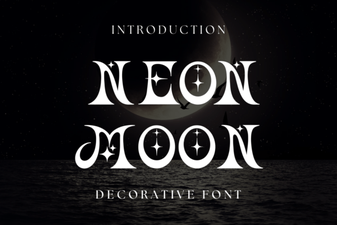 Light Your Designs with Neon Moon Font
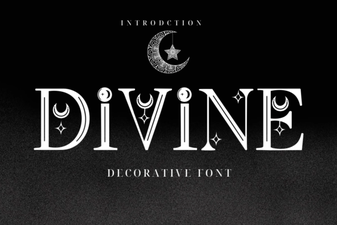 Divine Font Design & How to Use It in Your Projects
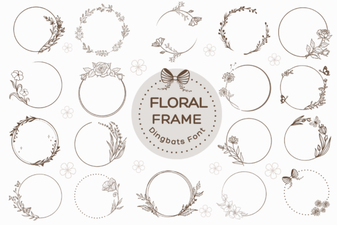 Floral Frame Fonts for Beautiful Invitations and Cards
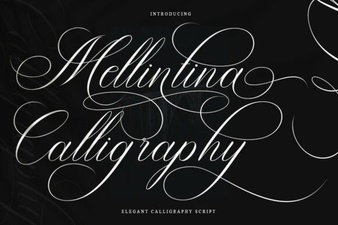 Melintina Calligraphy Font | Elegant Design Ideas & Uses
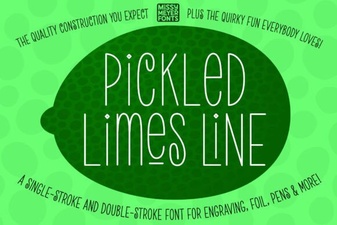 Crafting with Pickled Lime Serif Typography
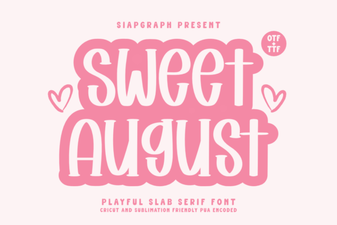 Sweet August Font: a Designer's Guide to Creative Typography