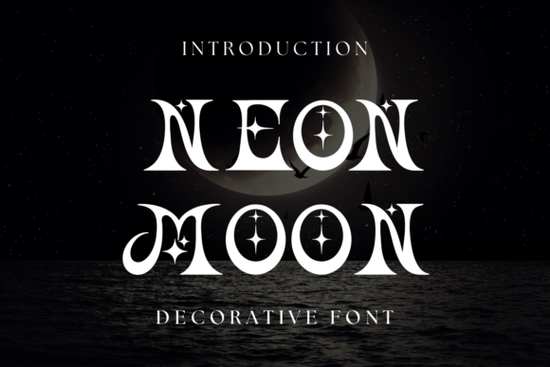
When you need a decorative typeface that balances readability with a soft, glowing aesthetic, the Neon Moon Font fits right into your toolkit. Many designers and crafters look for lettering that stands out without overwhelming the rest of a layout. This particular style delivers exactly that by offering clean lines and gentle curves that mimic vintage neon signage. Whether you are drafting personal journal pages or preparing commercial assets, it provides a reliable foundation for visual storytelling.
What kind of creative projects actually work with this lettering style?
Decorative fonts often get pigeonholed into specific niches, but versatile designs can cross into multiple formats. You can easily apply this typeface to greeting cards, custom stationery, and handwritten journal layouts. The rounded terminals and consistent weight make it highly readable at medium sizes, which is why it performs well for social media graphics and digital banners. If you want to explore more layouts that pair well with rounded decorative styles, you can browse our latest design templates to see how others structure their text hierarchy. Small business owners also use this style to soften their brand messaging without losing clarity, making it a practical choice for local marketing materials and event signage.
Can I safely use this typeface for print-on-demand merchandise?
Merchandise sellers need lettering that scales cleanly across different printing methods, from direct-to-garment to sublimation on mugs. The stroke width remains consistent, which prevents thin lines from breaking during vinyl cutting or ink bleeding on fabric. When designing shirts or tote bags, keep your text centered and leave generous breathing room around the edges. Pair it with simpler geometric typefaces for product tags or packaging labels. For a deeper look at type licensing in commercial manufacturing, check out typography licensing guidelines. Many crafters find success using this style on online marketplaces and boutique storefronts. Test a few different scale percentages before committing to a bulk order, since ink coverage varies depending on material weight. If you prefer something more playful for youth apparel, the Dinosaur Font themed collection for youthful designs might catch your eye.
How do I choose between rounded decorative styles for different audiences?
Not every rounded lettering style carries the same visual weight. Some lean into cartoonish shapes, while others maintain an editorial tone. Consider the emotional response you want to trigger when selecting type. A soft, glowing aesthetic works beautifully for wellness brands, wedding invitations, and cozy lifestyle content. If your project requires historical flair, you might prefer Divine Font elegant serif alternatives that lean into classic typography. Testing multiple typefaces side by side helps you spot spacing inconsistencies. Always print a test copy or view your design at 100% zoom, as screen rendering can sometimes hide tight kerning.
What spacing and pairing adjustments give the best visual balance?
Letter spacing, or tracking, makes or breaks decorative typefaces. Because this style features open counters and flowing curves, adding a slight increase to your tracking settings often improves legibility. Avoid squeezing the letters together, as the rounded shapes will quickly merge and create visual clutter. Pairing works best when you contrast this decorative option with a straightforward sans-serif or monospaced font. Keep your secondary text smaller and strictly aligned to maintain a clean grid. You should also limit the number of words set in this style. Headlines, short quotes, or single-line labels will always look stronger than full paragraphs. Designers who follow these spacing rules consistently produce cleaner mockups and faster client approvals.
What should you check before exporting your final design?
Before you send files to a printer or upload them to a storefront, run through a quick quality check:
- Verify licensing permissions for your specific use case, whether it is physical merchandise or digital distribution.
- Convert text to outlines in your design software to prevent missing font errors during file transfers.
- Review contrast levels by placing your design on light and dark backgrounds to ensure readability stays consistent.
- Test print a physical sample at the exact dimensions you plan to sell, checking for alignment and color accuracy.
Save a separate editable version with live text layers, then export your final files in the required format for your platform. Keeping your workspace organized and your typography files properly labeled will save hours of revision time later.
Get Started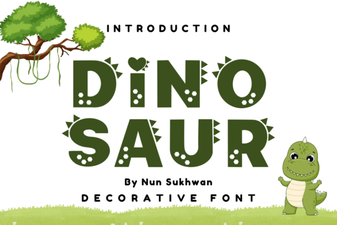 Dinosaur Font Design Ideas for Creative Projects
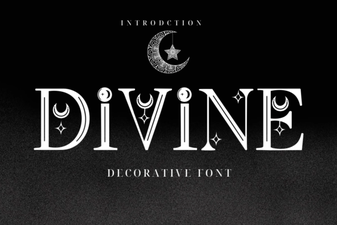 Divine Font Design & How to Use It in Your Projects
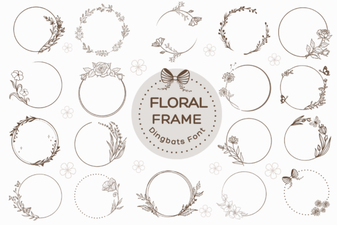 Floral Frame Fonts for Beautiful Invitations and Cards
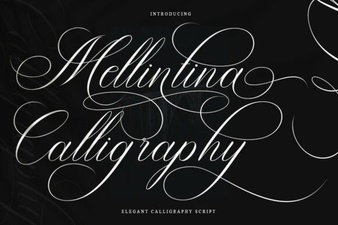 Melintina Calligraphy Font | Elegant Design Ideas & Uses
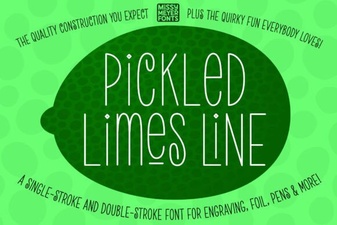 Crafting with Pickled Lime Serif Typography
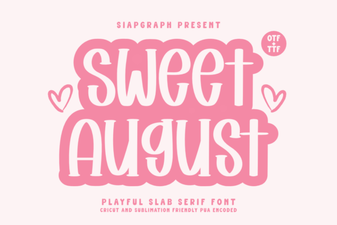 Sweet August Font: a Designer's Guide to Creative Typography